


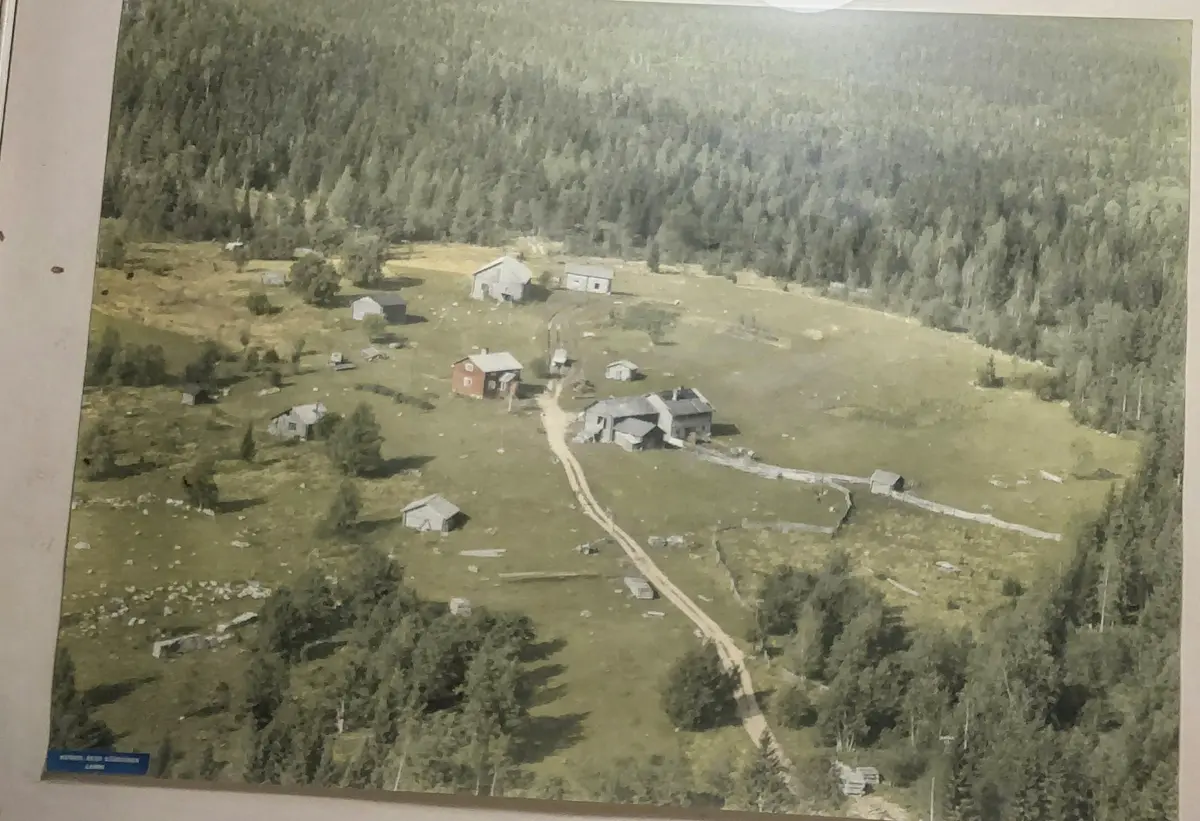
The restoration story behind this wooden house in Finland is deeply moving. It stands in a remote place called Jonkeri. Officially, it is still considered a village, though today only a handful of modest buildings remain in the wilderness.
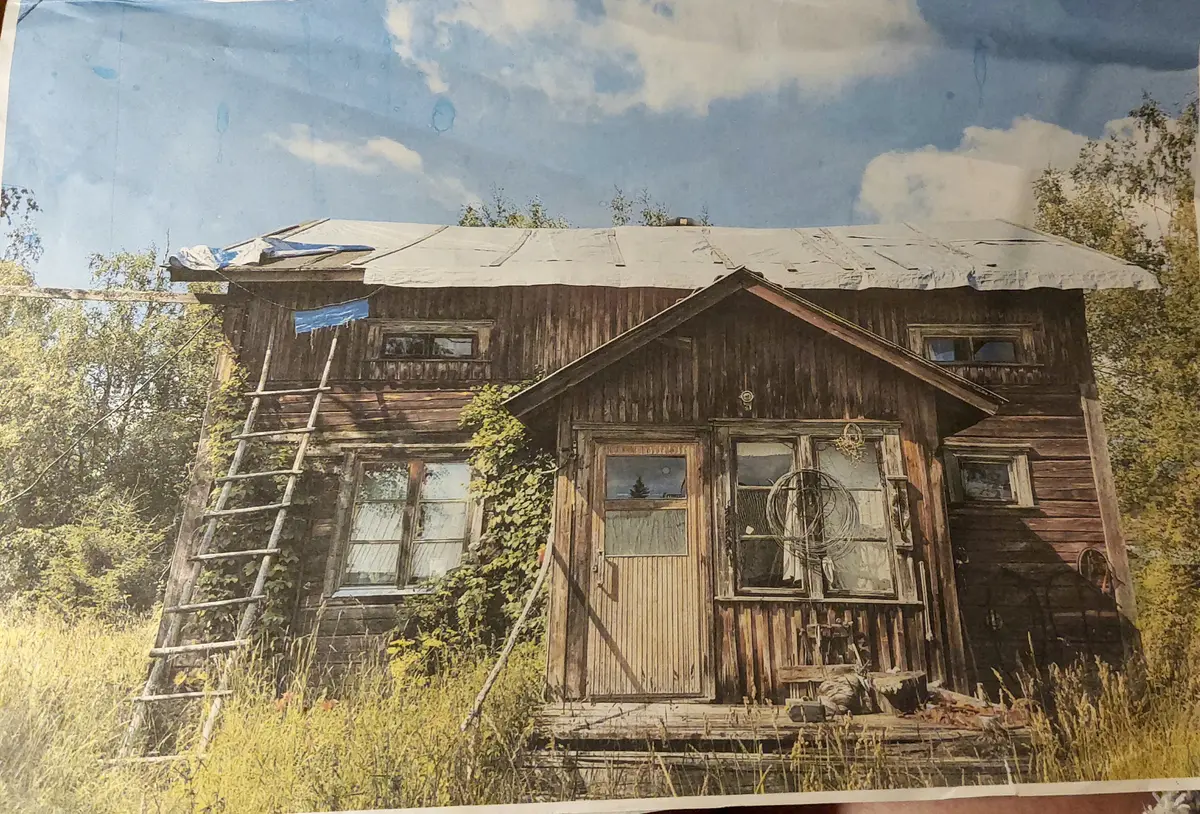
The house itself was built in 1950. Over the past few decades, it had nearly fallen apart. No one had been maintaining it; the doors and windows were boarded up, and water leaking through the damaged roof had slowly caused the timber to rot.
Archive photo:
The current owner is a woman named Eeva-Maija. Her family has lived in this area since the 1850s. Many years ago, one of her ancestors was appointed a forester—an important and respected role at the time. From then on, the position was passed down through Eeva-Maija’s family for generations.
Foresters often built small homesteads for their families near the places where they worked. This particular house was built by Eeva-Maija’s grandfather. After his death, the farmstead and its outbuildings, including the 1950s house, passed to Eeva-Maija’s father.
View of the village from above:
In the 2000s, the family had to leave the farmstead after moving to another town. At first, they returned to Jonkeri on weekends, but over time those visits became less frequent.
In 2024, Eeva-Maija lost her father and became the sole heir to this remarkable place. By then, however, it was difficult to look at: the grounds were overgrown with weeds, and the house was barely standing.
“In my memories, this place looked completely different. It was the cozy house from my childhood. I wanted to restore it—not only because of those memories, but because of its unique history,” Eeva-Maija told the Finnish interiors publication Meillakotona.
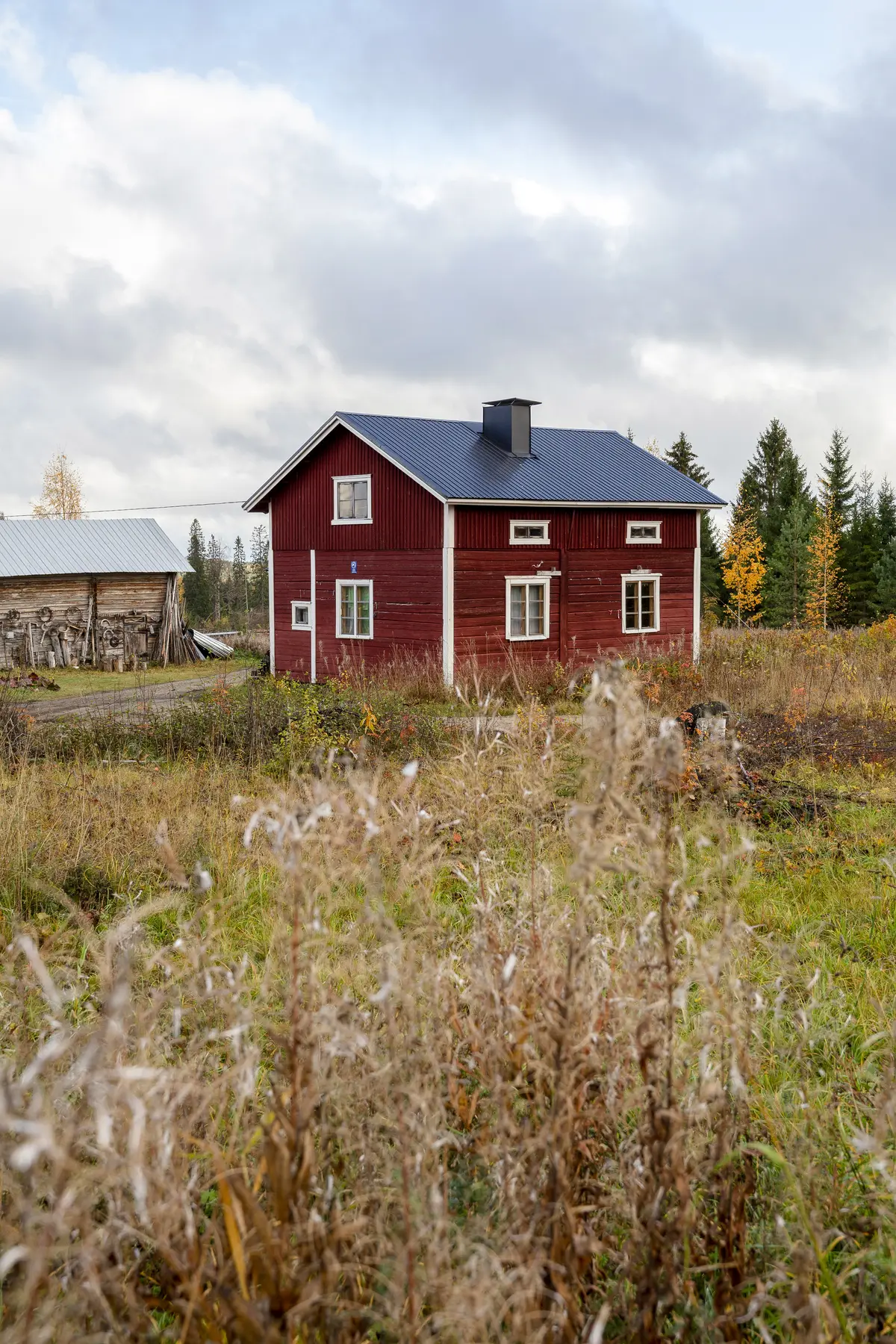
This is what the house looks like today:
Over the past year and a half, Eeva-Maija has managed to bring part of the house back into order. But the list of repairs still ahead is long.
“Restoring the farmstead is a demanding and extensive project. There is so much work to do, but I enjoy every moment of it,” she says.
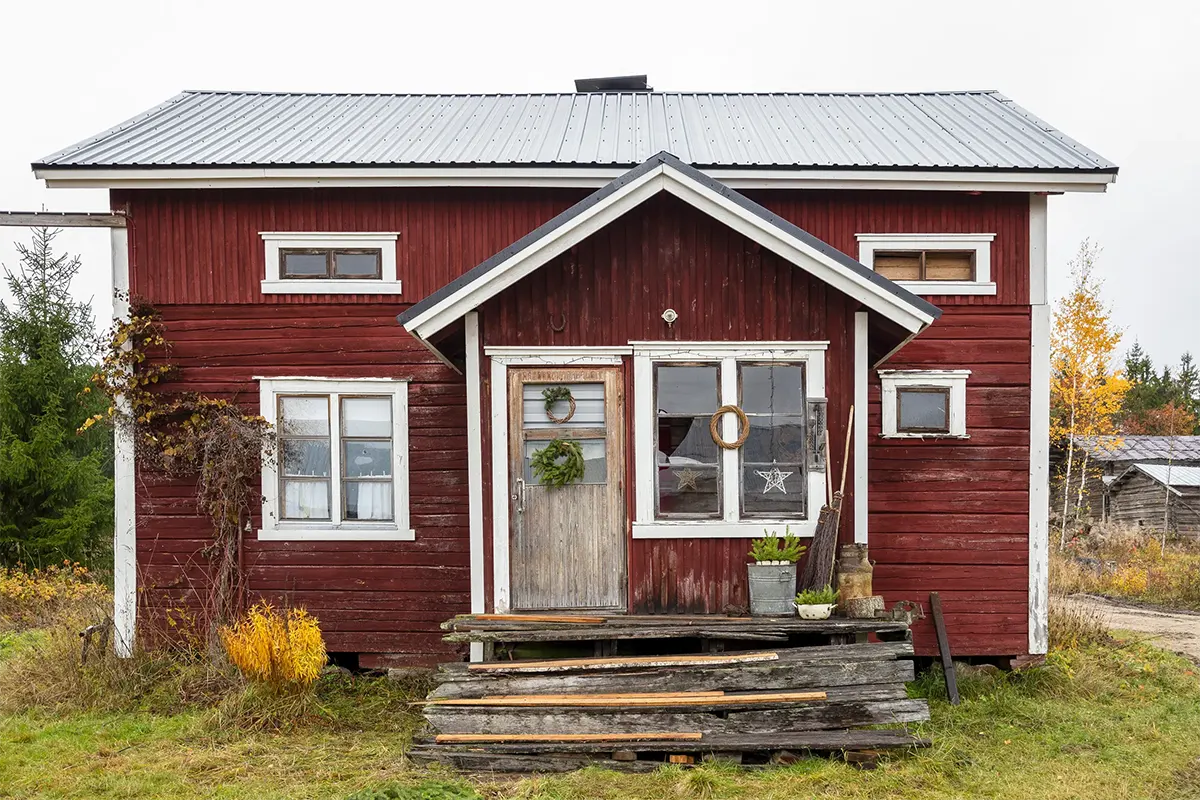
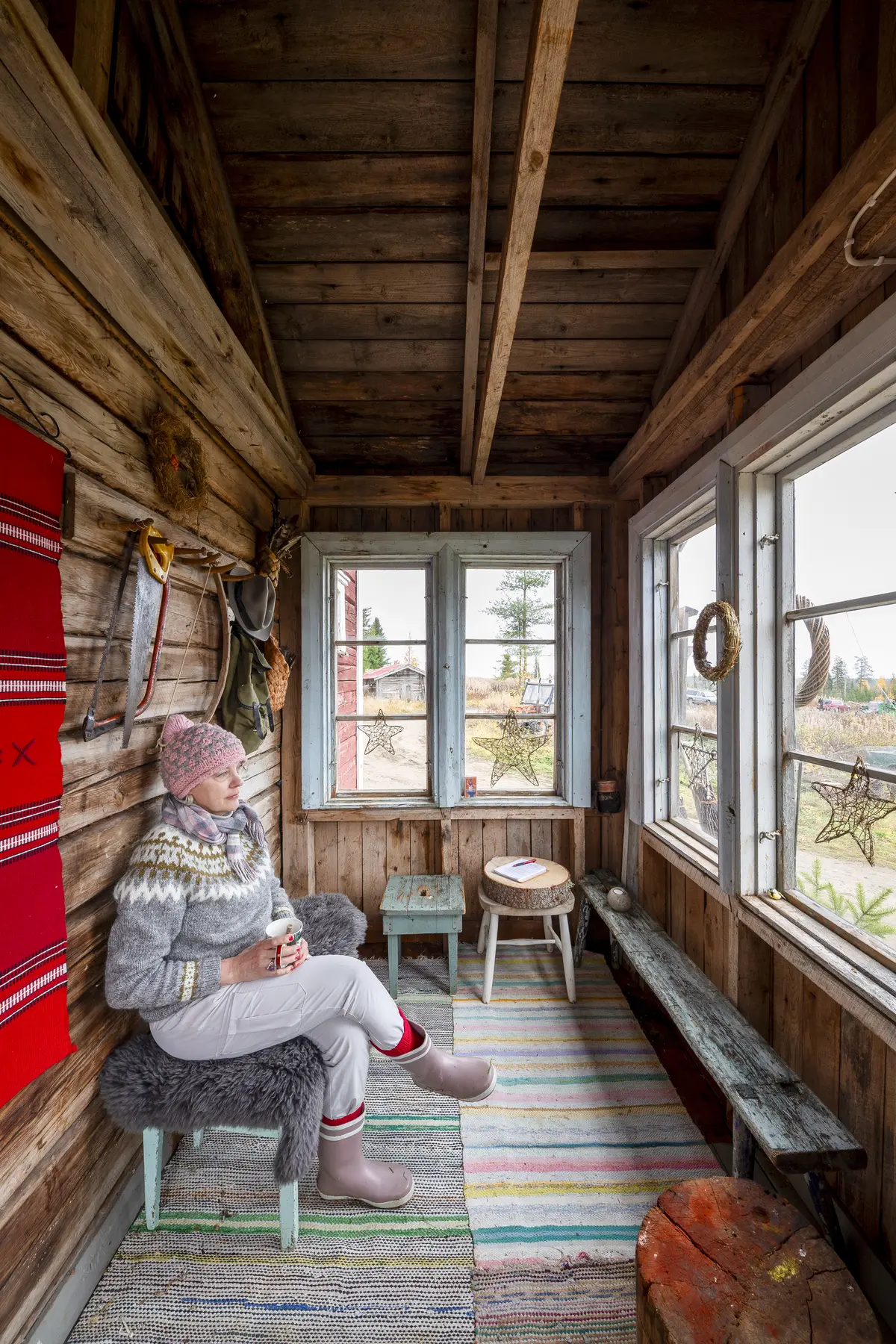
Her plan is to carefully restore her ancestors’ farmstead and turn it into a country retreat. It is unlikely to gain many modern conveniences: Eeva-Maija wants to preserve its sense of the past, with no plastic windows, new furniture, or modern appliances.
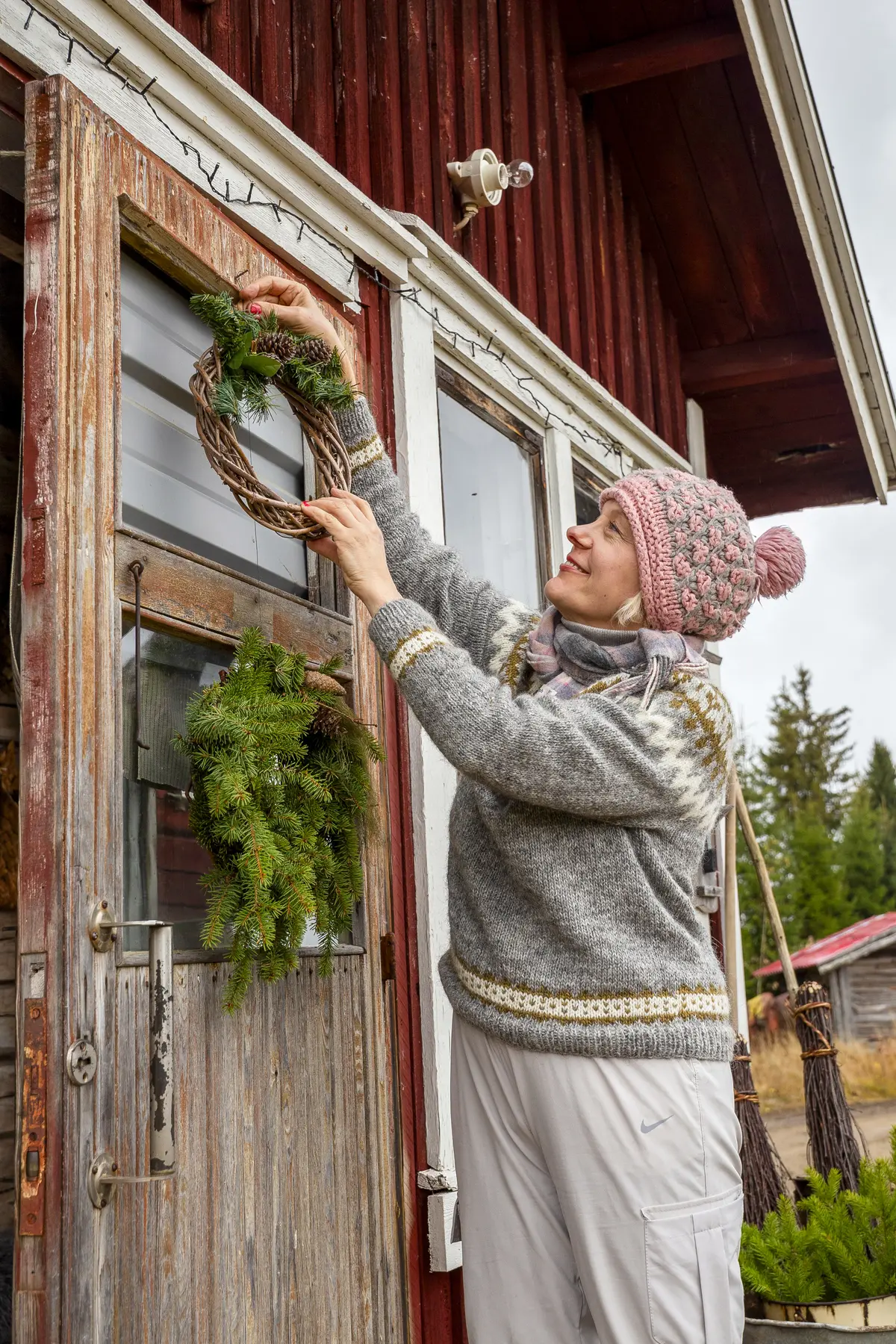
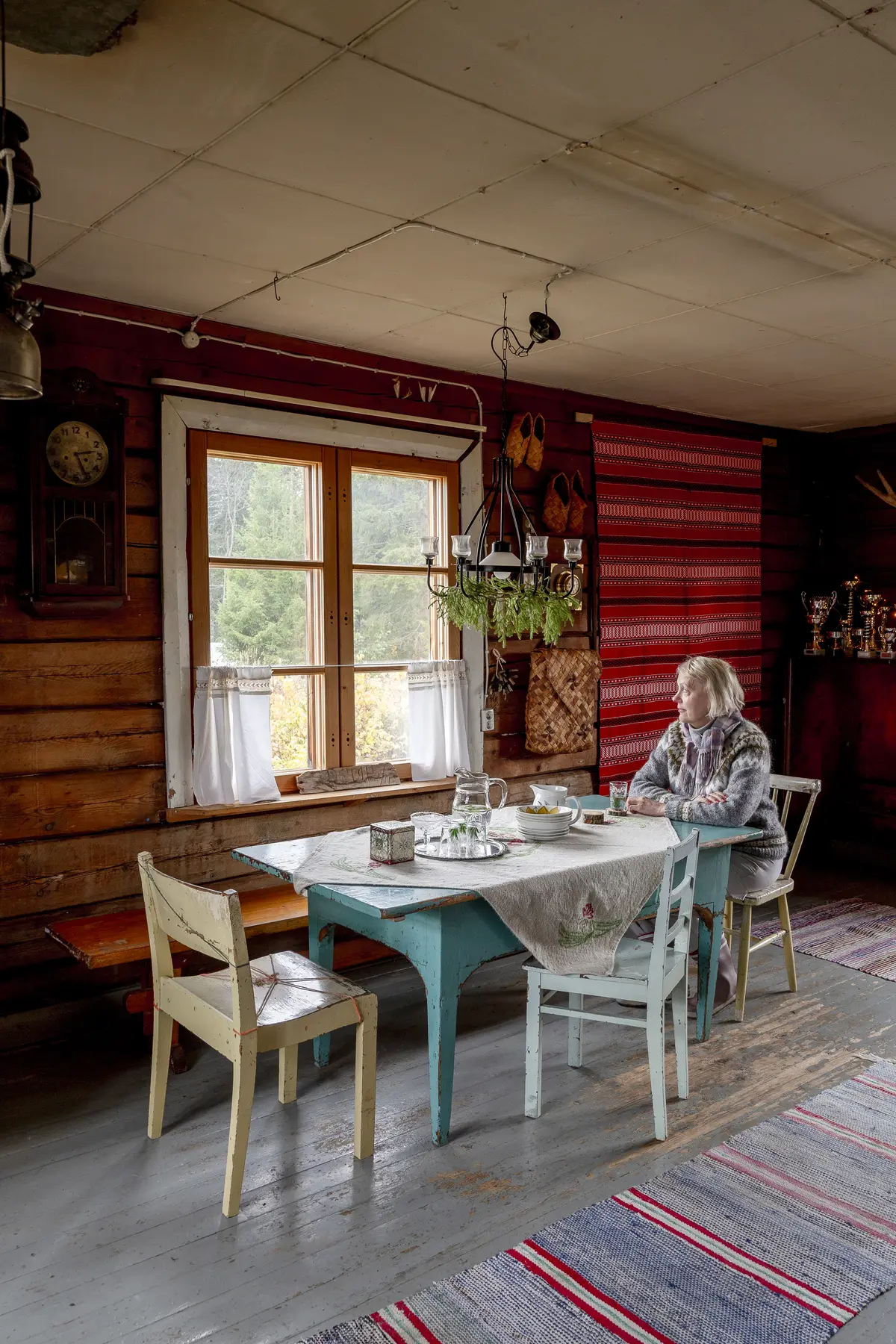
“Everything has its own carefully considered place. The same old tables and chairs from my childhood are still standing in the house,” Eeva-Maija says.
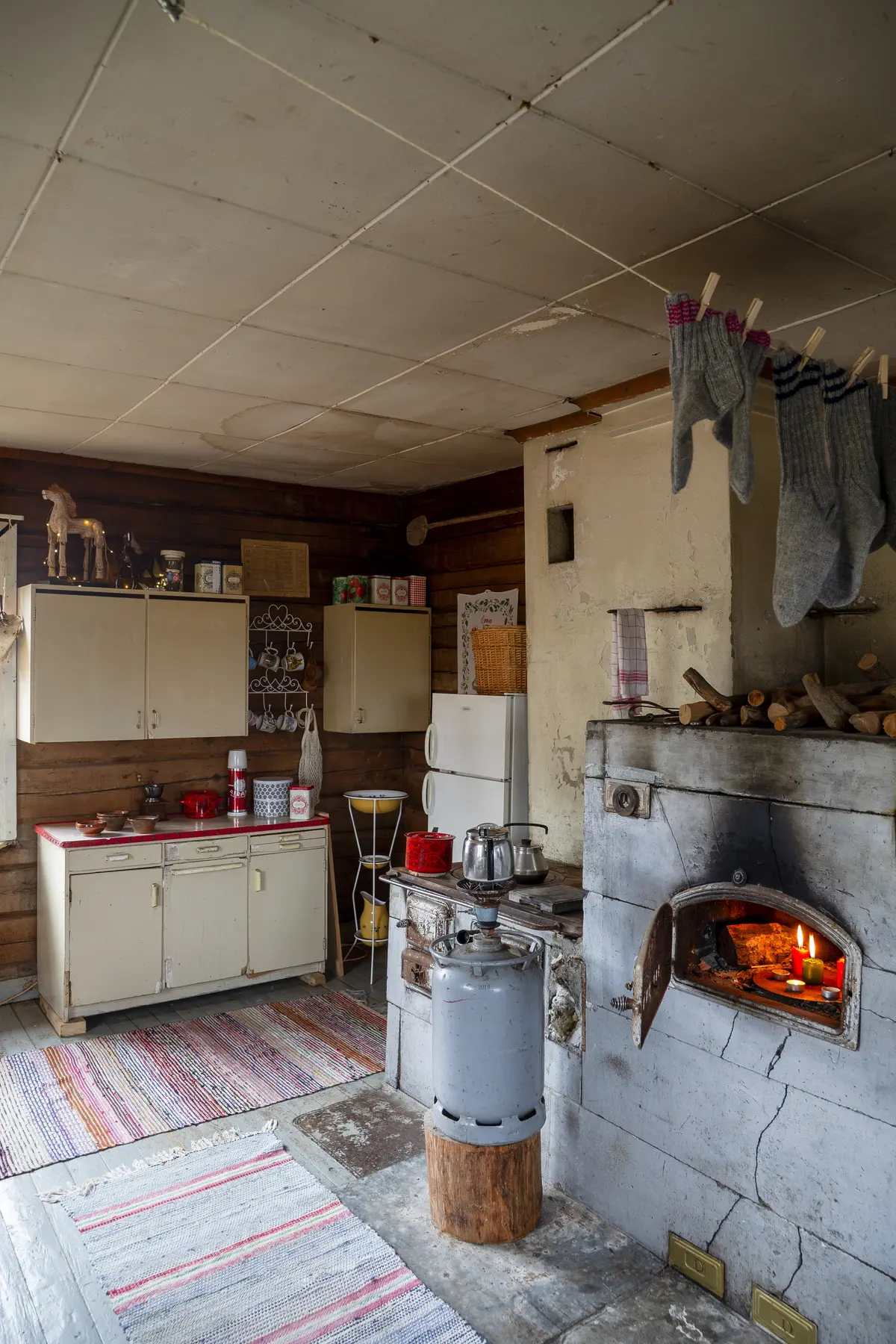
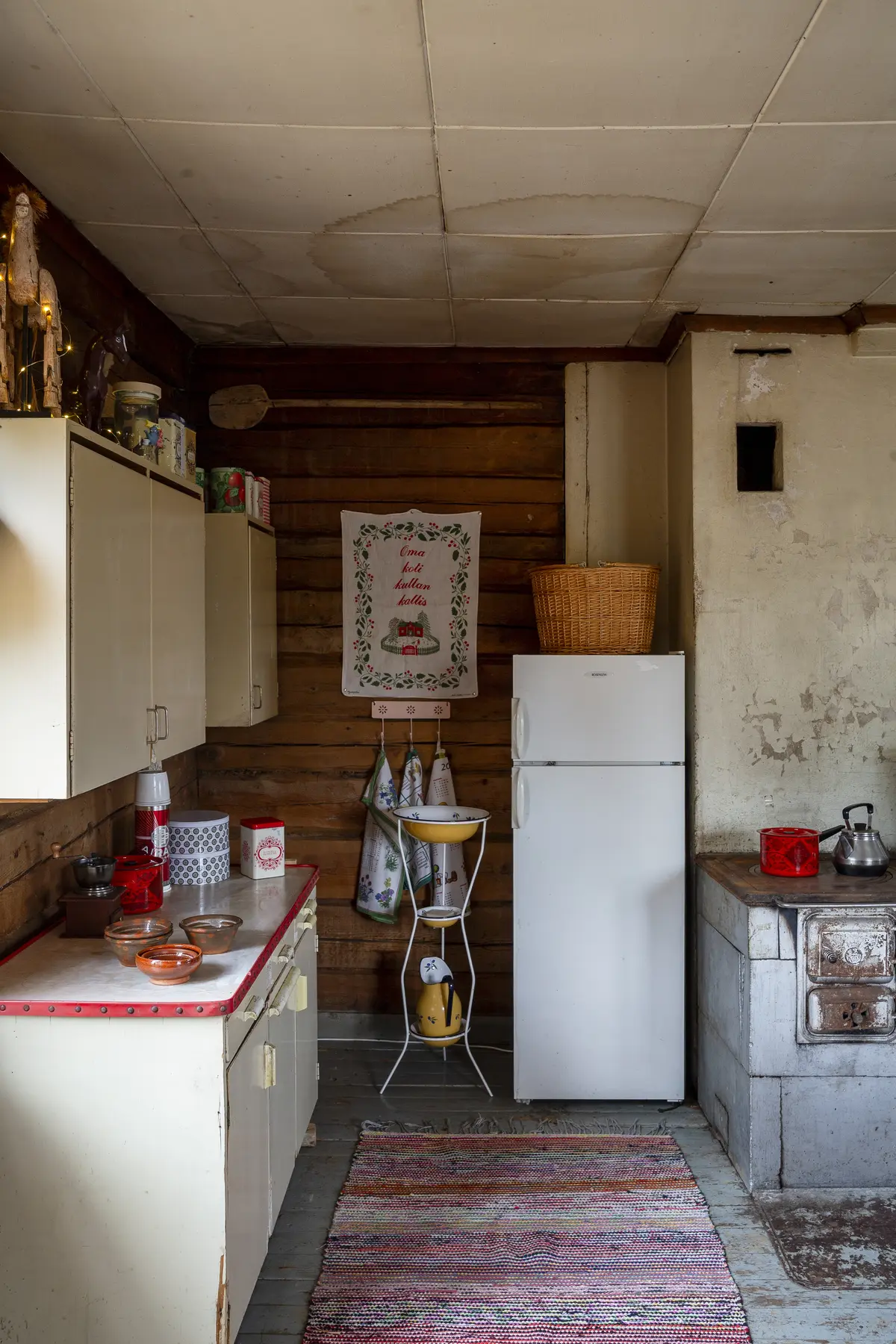
There are no modern kitchen facilities. Dishes are washed using a basin and a jug of water.
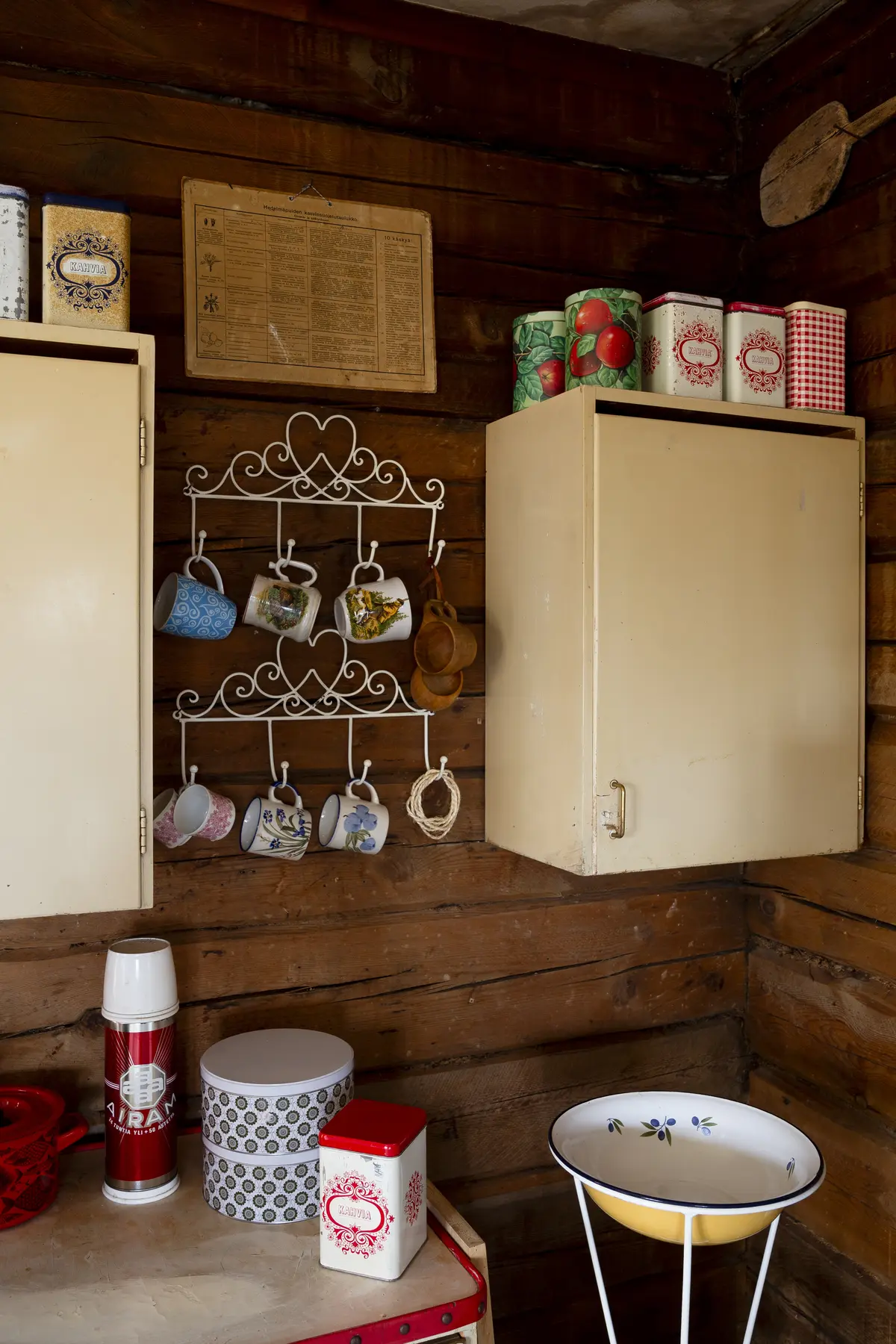
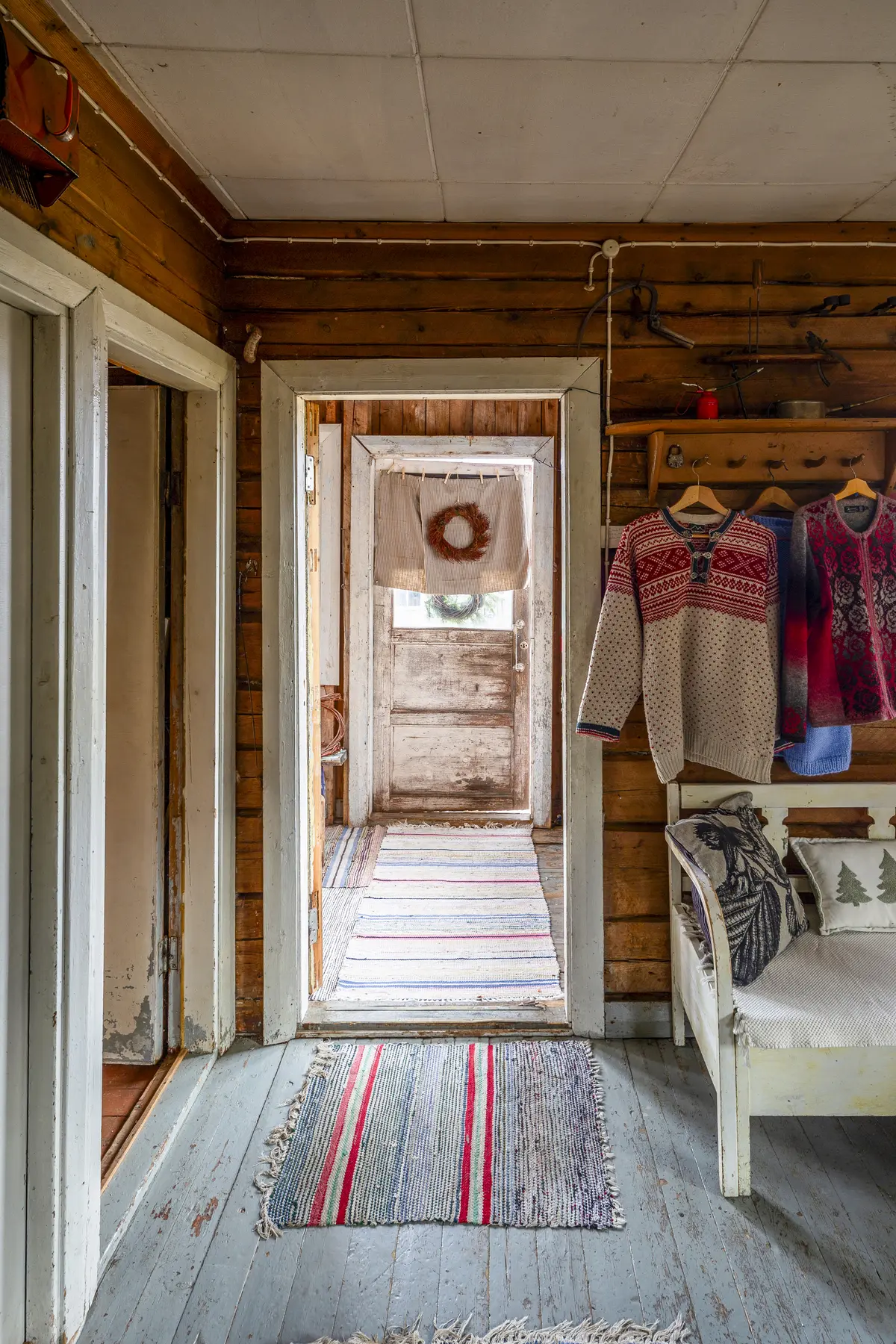
It took several months simply to clear the grounds and tidy the house. At night, Eeva-Maija slept in the unfinished attic; during the day, she worked on bringing the place back to life.
“I cleaned little by little, giving myself time to process this place and grieve for my father,” she says.
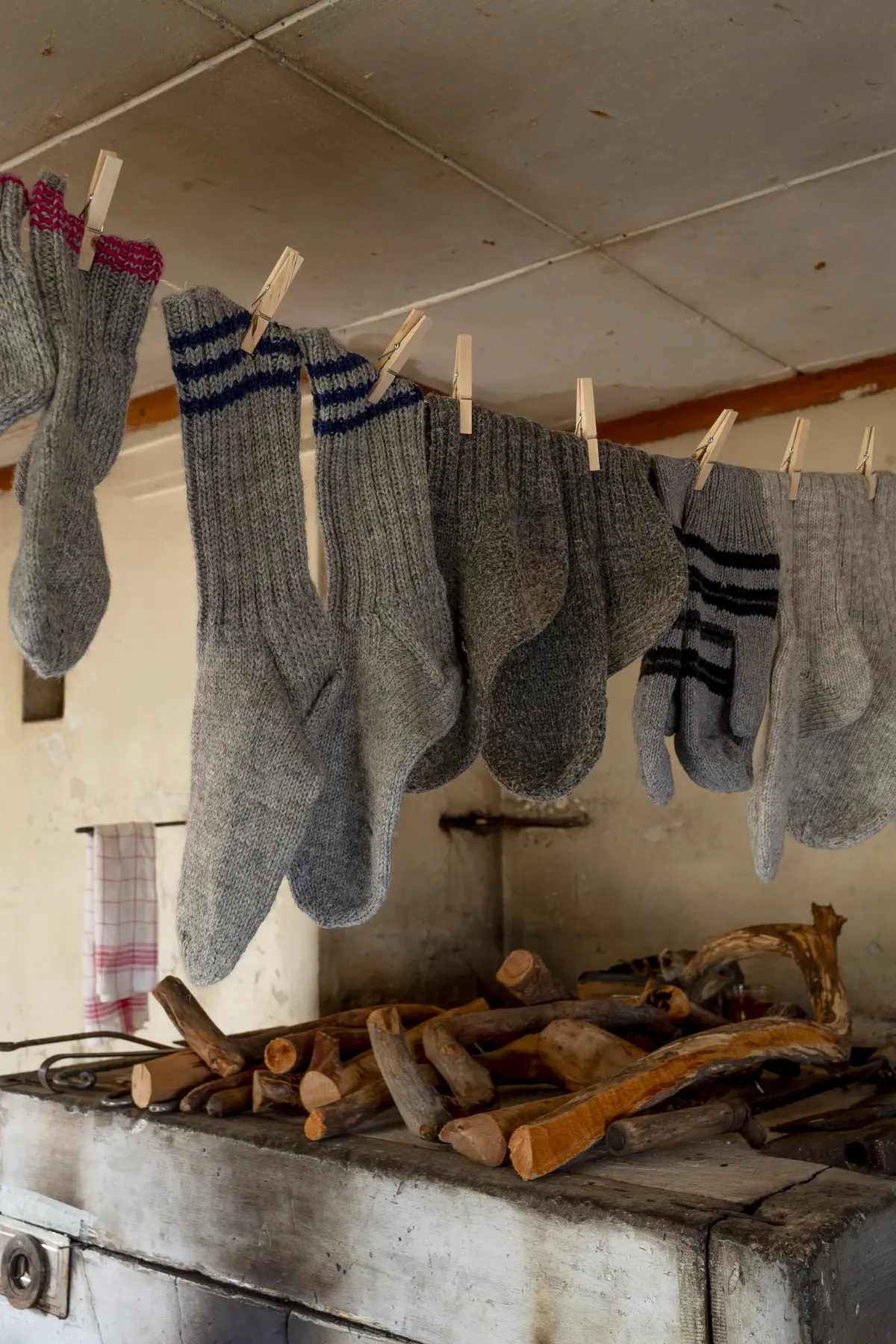
The house is now clean and welcoming, although it is clear that the building still needs major repairs. That has not been easy: the house is in a remote area, and many contractors are unwilling to travel there.
In the photo: Eeva-Maija with an elderly neighbor. The two became friends and now speak every day.
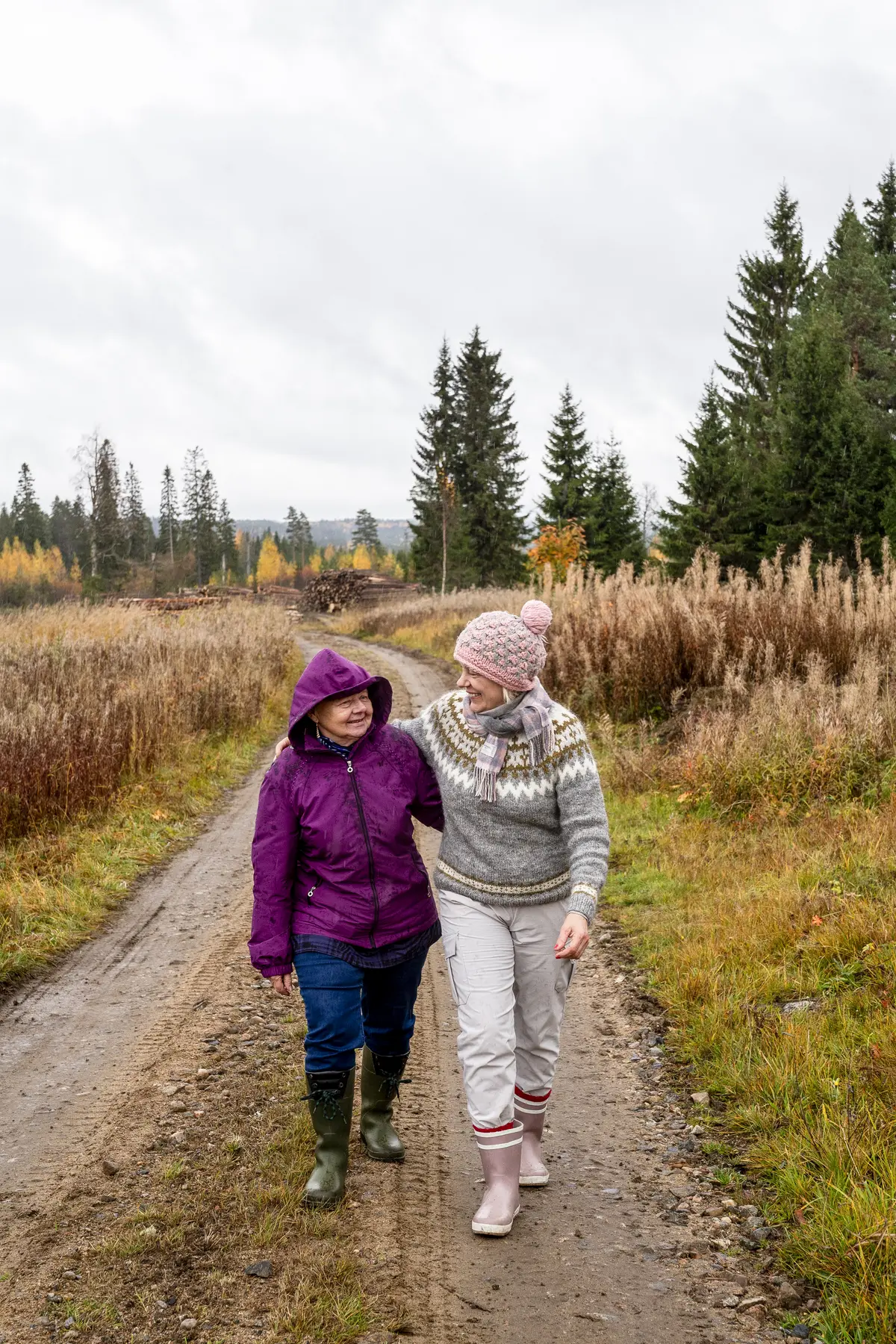
“The help I received from the neighbors was invaluable. There are only a few residents here, but their kindness and care meant so much to me. During the first days, I stayed with them. They told me about the history of the village and helped me recover information that had been lost,” Eeva-Maija recalls.
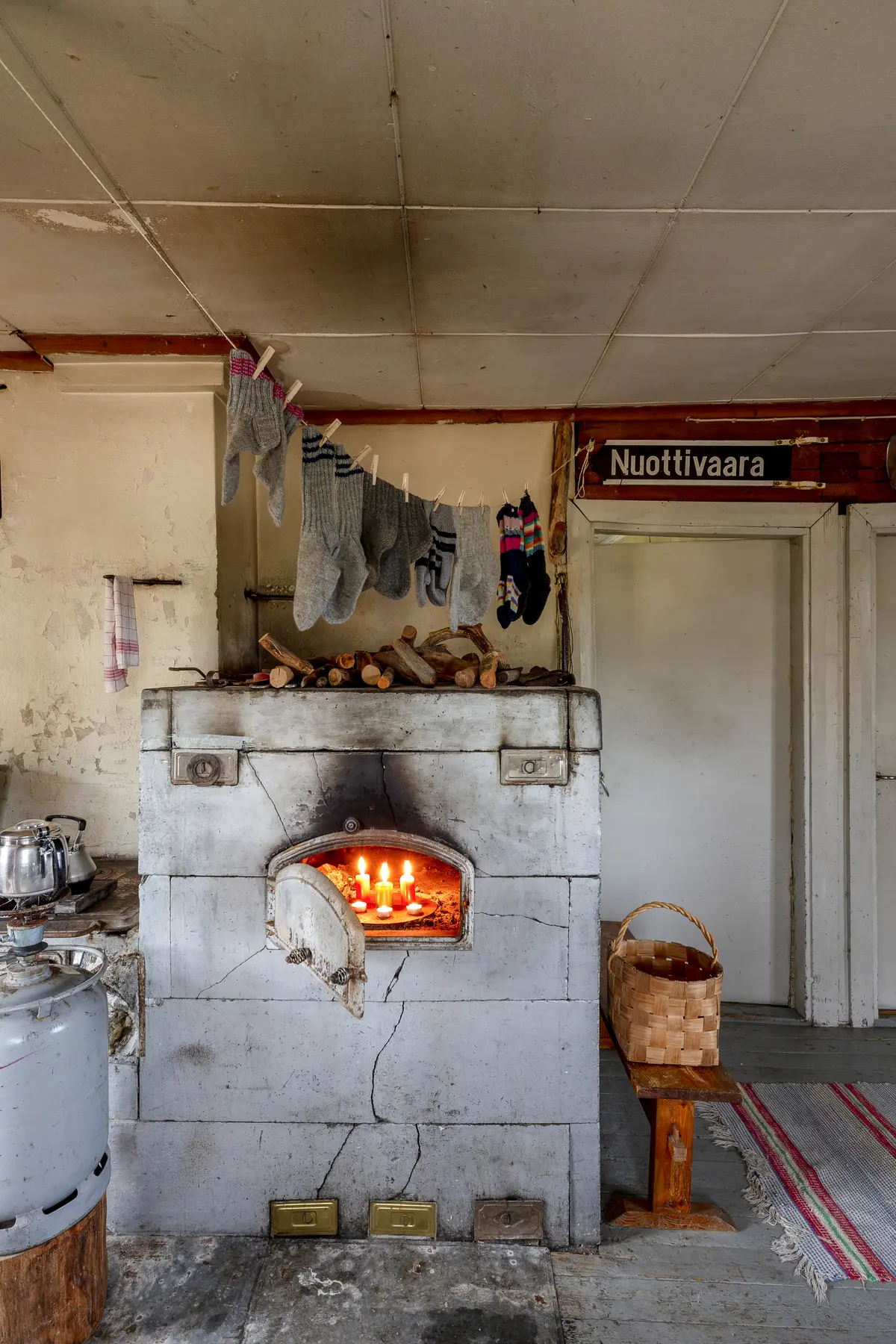
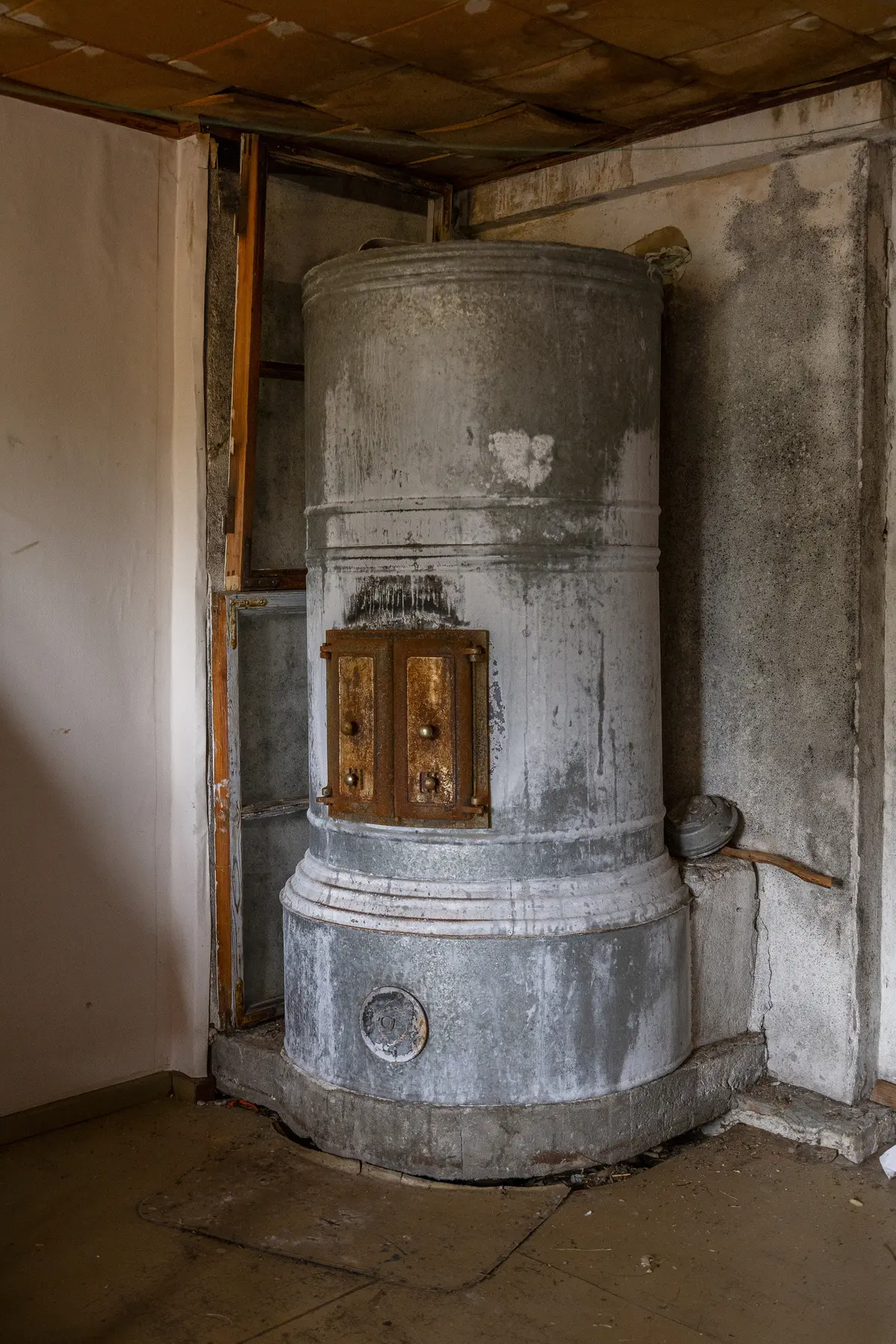
The old stove has been restored and cleaned. It now warms the small house and provides light in the evenings. To the right of it is a sign bearing the name of the farmstead when Eeva-Maija’s ancestors lived here. “I found it in the attic of the stable,” she says.
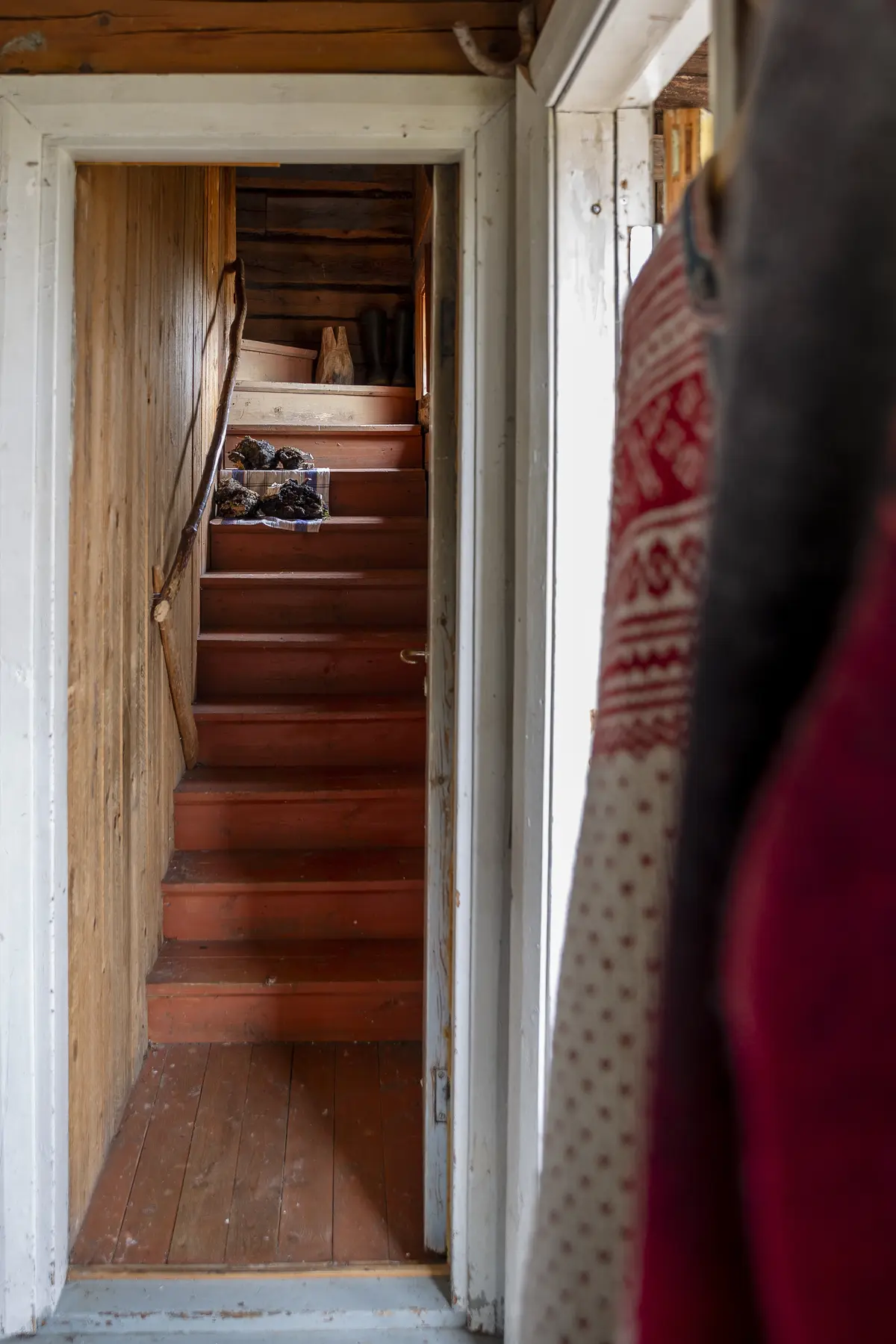
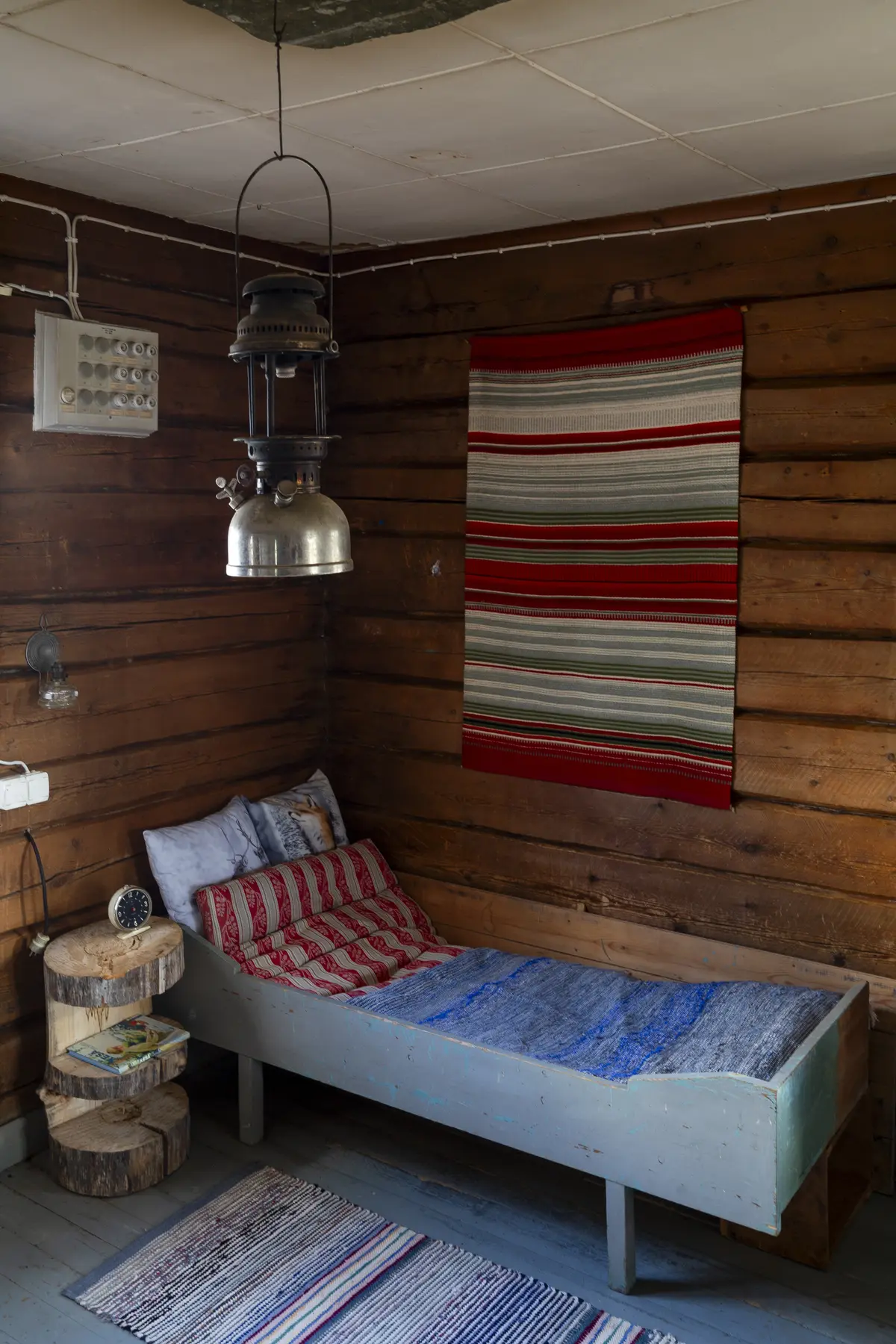
“It is easy to slip into childhood memories in this house, because almost everything inside has remained as it was. During the renovation, I found so many meaningful things—old letters and souvenirs, for example,” Eeva-Maija says.
There are several other buildings on the property, but she has not reached them yet. For now, all her energy is focused on restoring the main house.
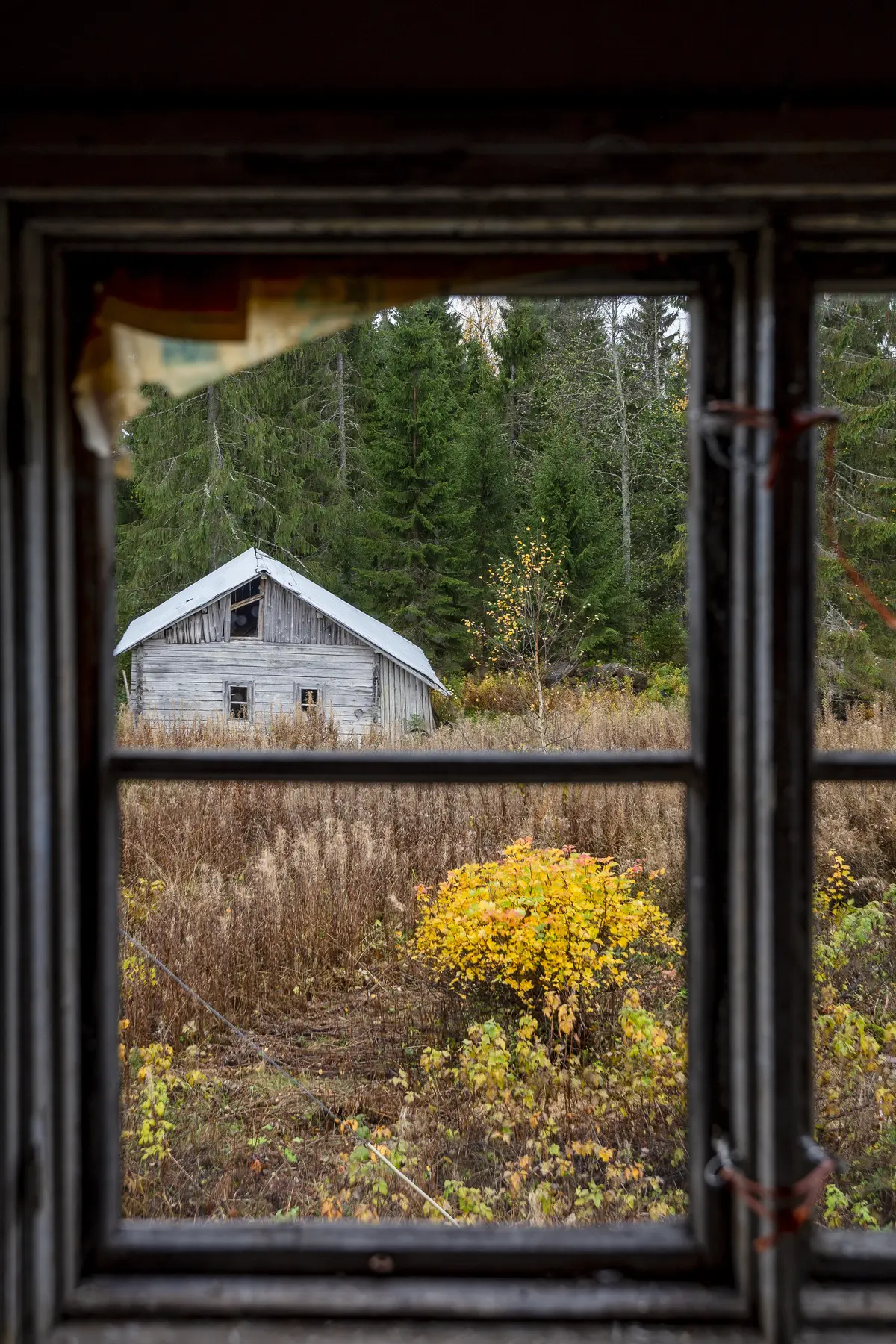
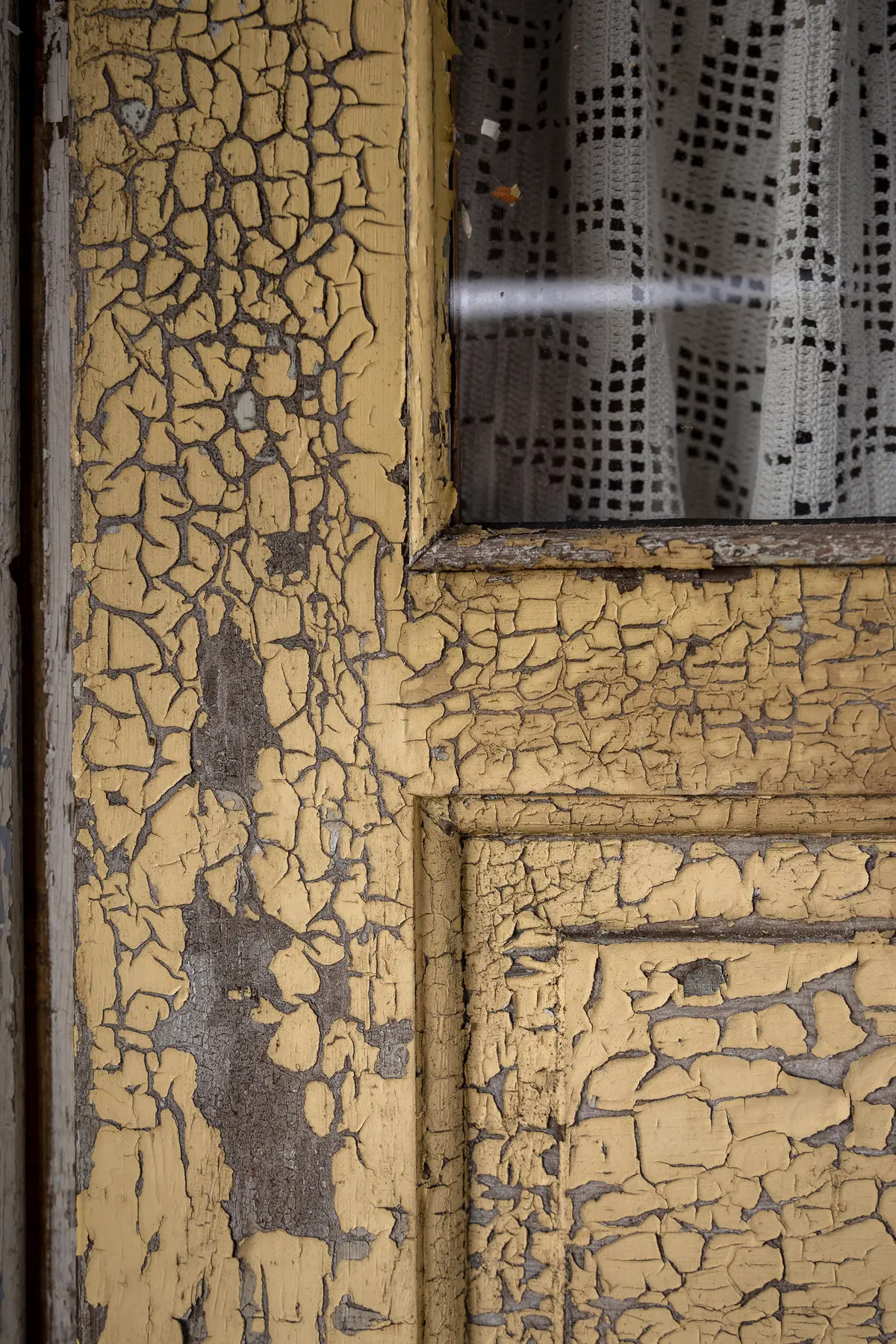
So far, the main house has received a new roof, a reinforced foundation, and a fresh coat of red paint—the color it had in the past.
Eeva-Maija has also repaired the sauna, where she can now wash. The water still has to be heated in a traditional boiler.
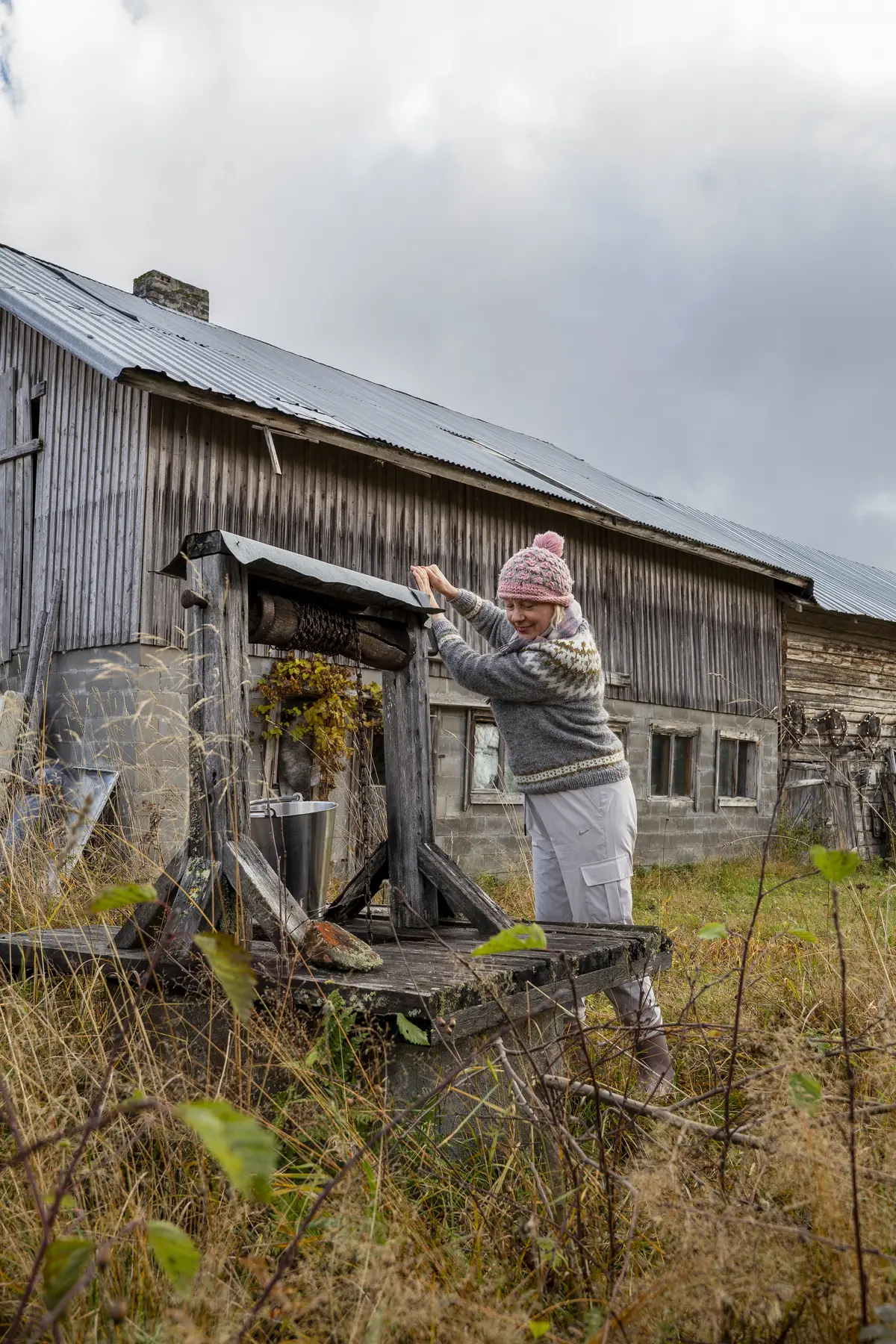
But the water itself now comes fresh and clean from the well. Before that, Eeva-Maija bought drinking water at the store and collected water for laundry from a nearby river.
Photos: Elina Siira


